Introduction
In many EMC and safety standards, surge testing is required for data cables exceeding 30 meters in length. This requirement is crucial for ensuring the resilience of electronic systems against transient overvoltages. But what justifies this length threshold? Here we explore the physical and electrical principles that necessitate surge testing for long data cables.
Understanding Surge Testing
Surge testing evaluates a system’s ability to withstand transient overvoltages caused by lightning strikes, switching events, or other electromagnetic disturbances. These transient surges can induce high voltage levels into connected cables, potentially damaging sensitive electronics.
Most standards, including IEC 61000-4-5, require surge immunity testing for data cables that exceed 30 meters in length. This raises the question: why is this specific length a critical factor?
Key Factors
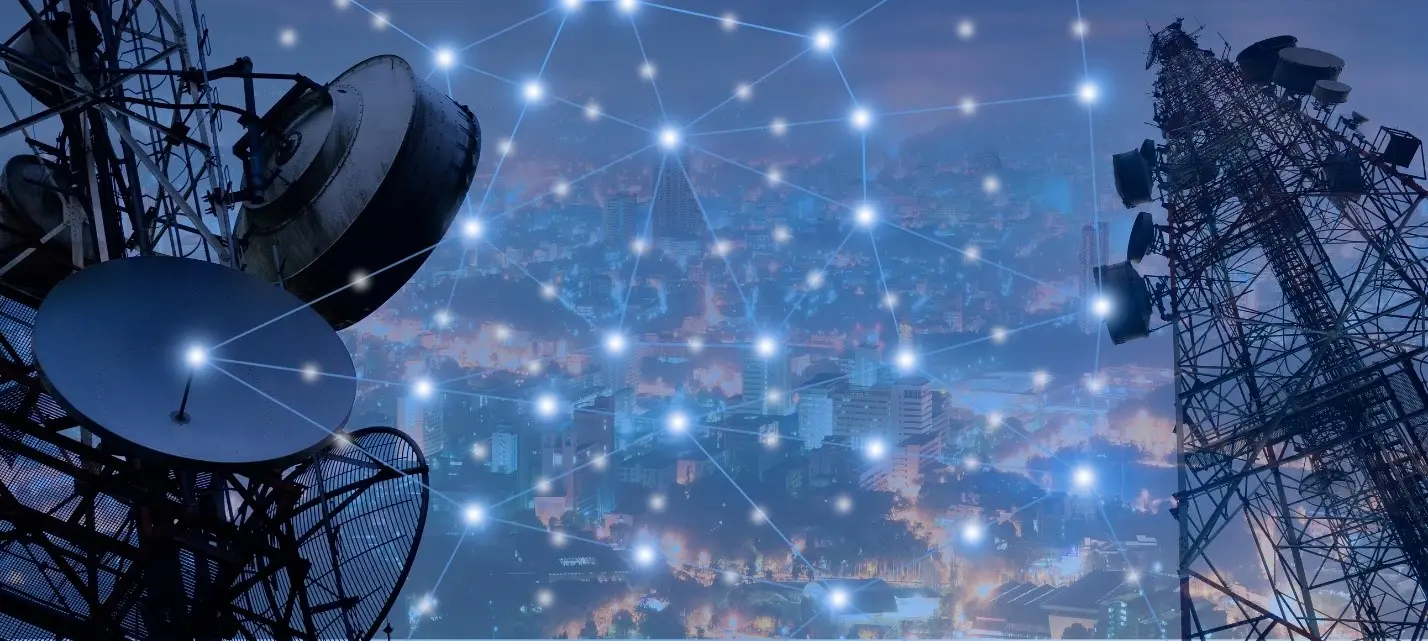
Increased Exposure to Electromagnetic FieldsLonger cables act as antennas, making them more susceptible to electromagnetic interference (EMI). When a surge event occurs—such as a nearby lightning strike—the induced voltage in the cable increases with its length. A cable shorter than 30 meters is less likely to accumulate dangerous surge levels compared to a longer one.
Higher Induced Voltages Due to InductanceElectrical cables exhibit inductance, which plays a significant role in surge propagation. The longer the cable, the greater the inductive reactance, which can amplify voltage spikes during transient events. This means a long cable can sustain a higher voltage surge compared to a shorter one.
Greater Risk of Common Mode CurrentsSurges often couple to cables in common mode, meaning the entire cable can carry a large voltage potential relative to ground. Longer cables have a higher impedance to ground, increasing the likelihood of high-voltage differentials that can damage connected equipment.
Propagation of Reflected WavesWhen a surge travels along a long cable, reflections occur at impedance mismatches (such as connectors or devices). These reflections can reinforce the surge voltage, leading to higher peaks that can exceed the insulation rating of the equipment.
Lightning Protection Zone ConsiderationsStandards often consider cables shorter than 30 meters to be part of a local system with limited external influence. Cables exceeding this length, however, are more likely to connect different buildings or electrical zones, increasing the probability of differential grounding and lightning-induced surges.
Conclusion
The 30-meter threshold for surge testing in EMC standards is based on electrical engineering principles. Longer cables have higher exposure to electromagnetic fields, increased inductance, greater common mode voltage risks, and more pronounced surge reflections. By enforcing surge testing for data cables exceeding this length, standards help ensure that electronic systems remain robust and resilient in real-world conditions.
If you need surge testing for your products, Stancer Testing Lab is an accredited facility capable of performing these critical evaluations to ensure compliance with international standards.
Related Articles