
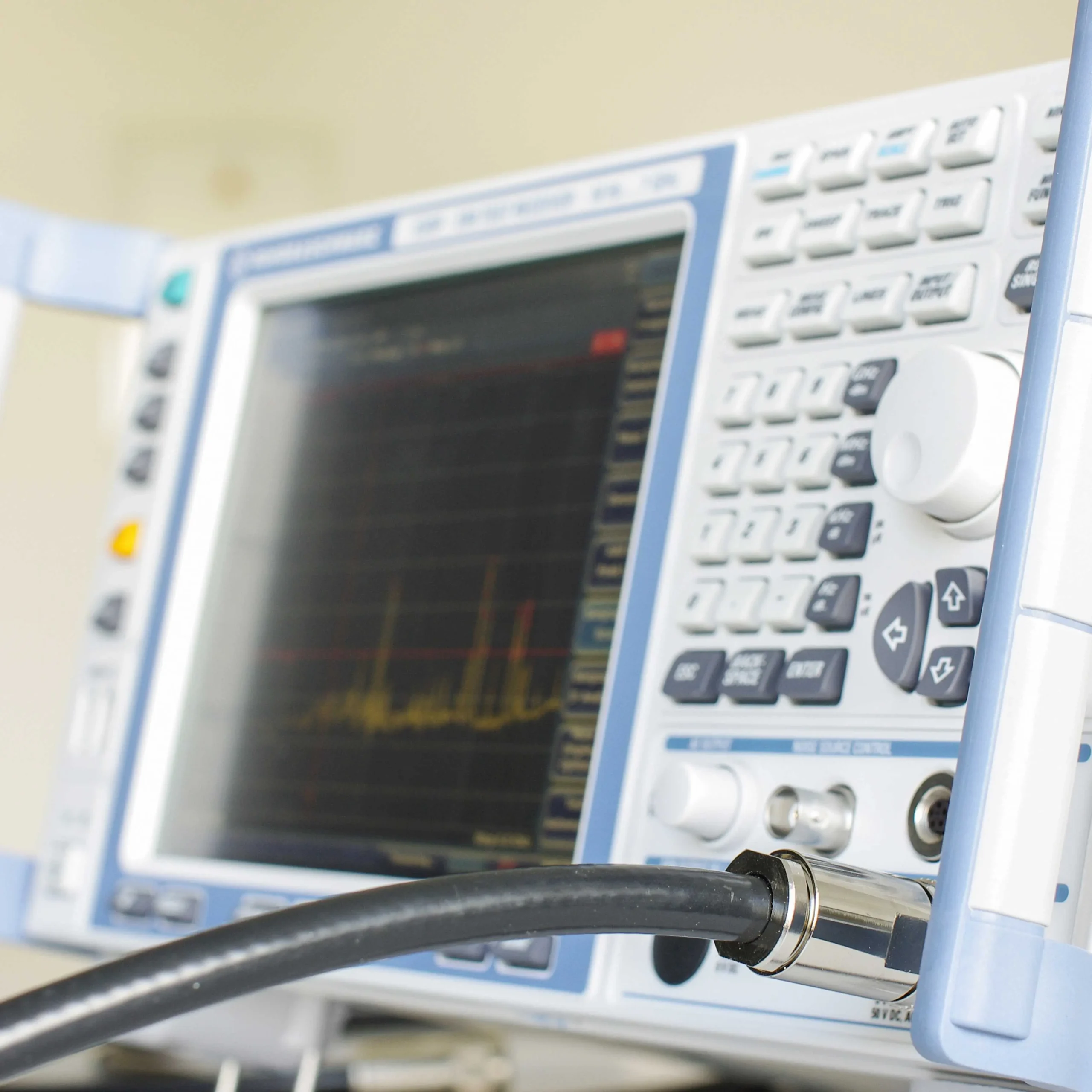
In the world of EMC testing, achieving both speed and accuracy is paramount. Traditional approaches, often reliant on manual adjustments and external attenuators—as seen in systems like EMC 32—can complicate setups and take relatively long time to complete the tests. Modern measurement solutions have evolved to not only automate key processes but also integrate advanced signal processing techniques such as FFT and sweep methods to deliver superior performance.
Automated Optimization: Dynamic Range Without the Hassle
One of the main challenges in EMI testing is managing the dynamic range of incoming signals. Traditional systems often require external attenuators to avoid receiver saturation. While effective, these additional components can introduce noise and reduce overall efficiency. The latest measurement software addresses these issues with automated attenuation and integrated preamplifier functionality. This smart automation dynamically adjusts the signal levels, ensuring that the system operates within its optimal dynamic range without the need for manual intervention. The result is a streamlined process that captures the most accurate and reputable results—rapidly and reliably.
Advanced Signal Processing: Sweep and FFT Methods
Alongside automated optimization, advanced signal processing techniques like sweep and Fast Fourier Transform (FFT) analysis play a crucial role in modern emission testing:
Sweep Techniques: Traditional sweep methods involve scanning across a range of frequencies sequentially. This approach, while time-tested, can be slower, especially at lower frequencies, where longer dwell times are necessary to capture accurate data. Nonetheless, sweep methods provide a broad overview of the spectral landscape, which is essential for initial diagnostics and compliance testing.
FFT Analysis: FFT-based processing converts time-domain signals into the frequency domain almost instantaneously. This method significantly speeds up data processing, allowing for real-time analysis of complex signals. FFT enhances the resolution and detail of the spectral analysis, ensuring that even subtle signal variations are captured. By integrating FFT with traditional sweep methods, modern systems deliver a comprehensive and precise view of the frequency spectrum, combining the strengths of both approaches.
A Synergistic Approach in Real-World Applications
At testing facilities like Stancer Testing-Lab, the combination of automated optimization with FFT and sweep techniques has led to remarkable improvements in both speed and accuracy. The automated features ensure that dynamic range is maintained without cumbersome manual adjustments, while the integration of FFT analysis provides rapid and detailed spectral information. This synergistic approach not only reduces the dependency on external attenuators—thereby minimizing noise and signal loss—but also streamlines the entire measurement process.
Conclusion
The evolution of EMI testing technology is paving the way for a new era where speed, accuracy, and efficiency are harmoniously integrated. By combining automated attenuation and preamplifier controls with advanced signal processing methods like combined sweep and FFT analysis, modern measurement systems and software overcome the limitations of traditional approaches. As demonstrated in real-world applications, this integrated solution delivers faster data acquisition, enhanced dynamic range management, and precise spectral analysis—all without the need for additional hardware components.
Related Articles
Stancer Testing-Lab specializes in validating Electromagnetic Compatibility (EMC) test sites, ensuring your Open Area Test
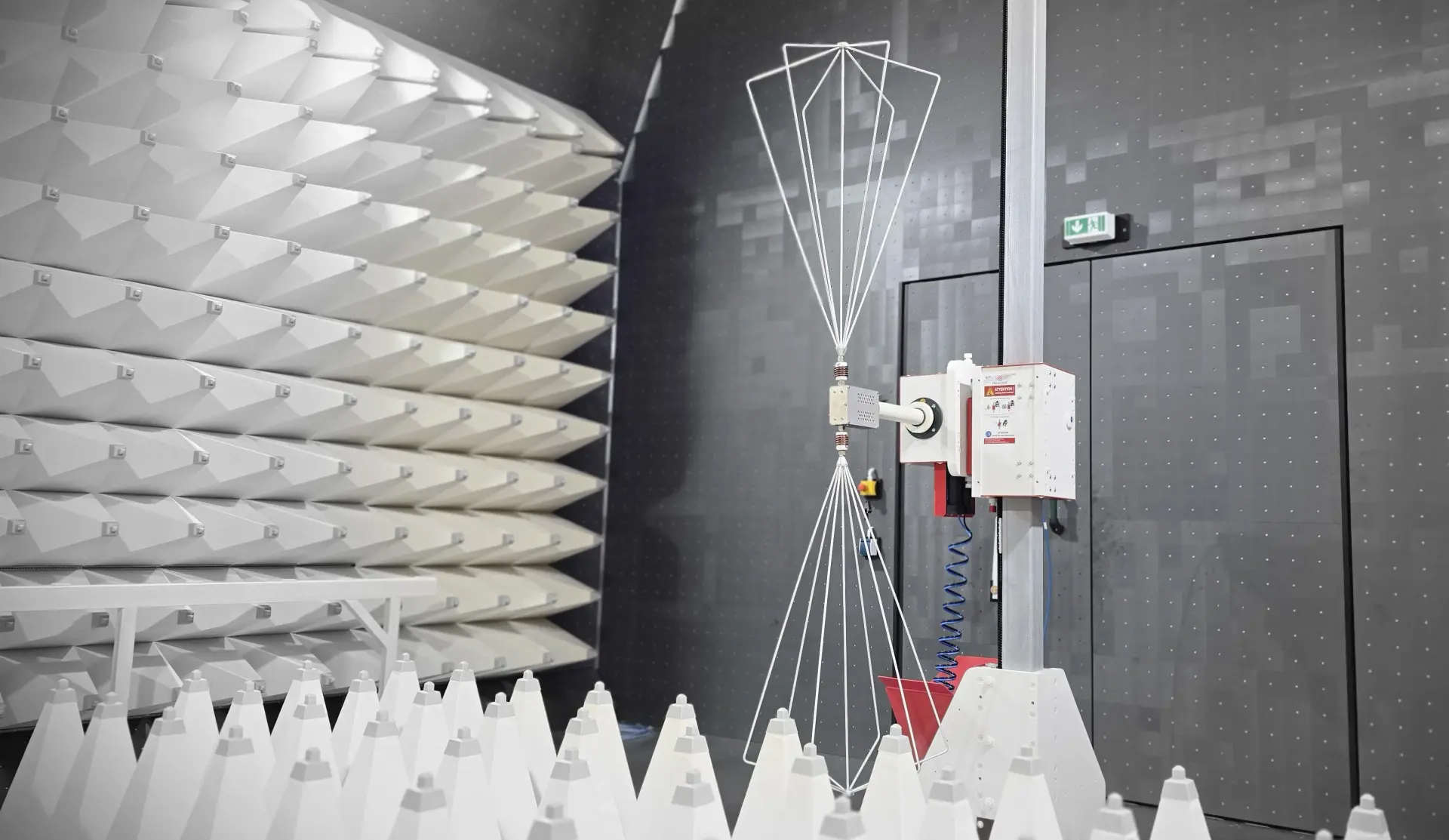
EMC Testing At Stancer Testing-Lab, we offer comprehensive EMC testing services to enhance product performance
At Stancer Testing-Lab, our system testing services go beyond verifying individual parts, we ensure your

Our world-class testing and certification services ensure your products surpass the most rigorous international standards