Understanding Conducted Emissions
Conducted emissions are a crucial aspect of electromagnetic compatibility (EMC) testing. They refer to the unwanted electrical noise or interference that is conducted along power or signal lines, which can potentially disrupt other electronic devices.
Why is Conducted Emission Testing Important?
Testing for conducted emissions ensures that electronic products do not interfere with other equipment and comply with regulatory standards. This is essential for both safety and performance, ensuring devices operate correctly in their intended environments.
What is Conducted Emission?
Conducted emissions are typically measured within a specific frequency range (usually from 150 kHz to 30 MHz) and involve monitoring the noise levels emitted by a device. These emissions can affect other devices connected to the same power supply or network, causing potential malfunctions.
Understanding the Different Limit Lines
Limit lines for conducted emissions vary depending on the type of equipment and its intended environment. For instance, commercial and residential devices have different regulatory requirements. These limits are established to ensure that devices do not exceed acceptable levels of interference, protecting the broader electromagnetic environment.
Conducted emissions can be categorized into two types:
Common-mode emissions: These occur when noise appears equally on both power lines with respect to ground.
Differential-mode emissions: These occur when noise appears between the two power lines.
Both types of emissions can affect sensitive electronics, communication systems, and power grids, making it necessary to regulate and control them through EMC standards.
Why Do We Test for Conducted Emissions?
The primary reason for testing conducted emissions is to ensure electromagnetic compatibility (EMC)—meaning electronic devices can operate without interfering with each other.
Without proper control of conducted emissions:
Medical devices (e.g., patient monitors, MRI scanners) could malfunction due to electrical noise from nearby equipment.
Communication systems could experience unwanted interference, degrading signal quality.
Industrial equipment could generate excessive noise, causing disruptions in power distribution networks.
Consumer electronics may fail EMC compliance tests, leading to costly redesigns or market recalls.
Regulatory bodies, such as the FCC (USA), CISPR (International), IEC, and EN standards (Europe), set specific limits for conducted emissions to ensure devices meet compliance requirements before they are sold in the market.
How Are Conducted Emissions Measured?
Conducted emissions testing is performed in a controlled environment using specialized equipment, including:
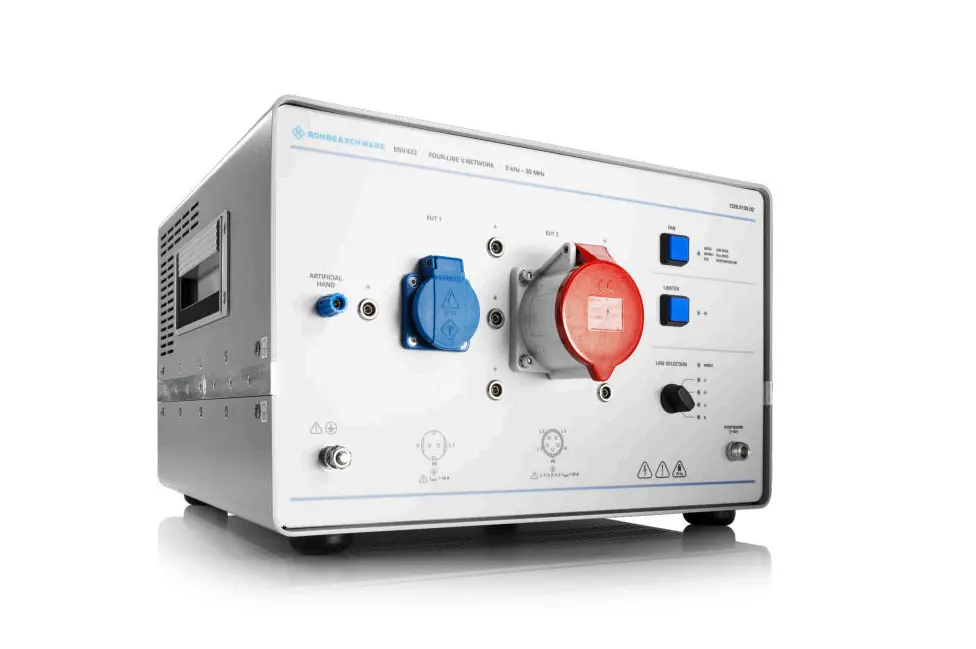
A Line Impedance Stabilization Network (LISN) – A key component that standardizes the impedance of the power line and provides a stable reference for measuring emissions.
A Spectrum Analyzer or EMI Receiver – Used to capture and analyze conducted noise levels.
A Shielded Test Setup – Ensures external noise does not affect the measurement.
During testing, the Device Under Test (DUT) is powered through the LISN, and the emissions traveling through the power cables are measured. The results are then compared against the applicable conducted emission limits set by standards.
What is a LISN?
A Line Impedance Stabilization Network (LISN) is a critical component in conducted emissions testing. It serves two main functions:
Impedance Matching: It ensures a consistent and standardized impedance between the DUT and the power source, allowing for repeatable measurements.
Noise Isolation: It prevents unwanted noise from the power grid from affecting the test results, ensuring only the DUT’s emissions are measured.
LISNs are typically designed with a 50Ω impedance, as required by EMC standards, to ensure accurate and consistent testing.
Without a LISN, test results could vary significantly depending on power line conditions, making compliance testing unreliable.
Why Are There Different Limit Lines for Conducted Emissions?
Different types of electronic devices operate in different environments and have varying levels of susceptibility to electromagnetic interference. To account for this, regulatory bodies set different limit lines based on:
Equipment Type: Class A Devices: Industrial and commercial equipment, which generally has higher emission limits. Class B Devices: Residential and consumer electronics, which require stricter limits to minimize interference with household devices.
Power Supply Type: AC-powered devices typically have stricter limits compared to DC-powered ones.
Application Environment: Medical devices, military electronics, and automotive systems may have specialized standards that differ from general commercial products.
By enforcing these different limits, regulatory agencies balance product functionality and electromagnetic compatibility, ensuring devices work efficiently while minimizing interference.
Conclusion
Conducted emissions are a critical aspect of EMC testing, ensuring electronic devices do not introduce harmful interference into power or signal lines. Testing is performed using specialized equipment, including LISNs, spectrum analyzers, and EMI receivers, to measure emissions accurately.
Understanding conducted emissions and their limits is essential for manufacturers to achieve compliance with global EMC standards and avoid costly redesigns or certification failures.
At Stancer Testing Lab, we specialize in EMC testing and compliance, helping businesses ensure their products meet all necessary regulations. If you need assistance with conducted emissions testing, contact us today for expert guidance and reliable testing solutions.
Related Articles