
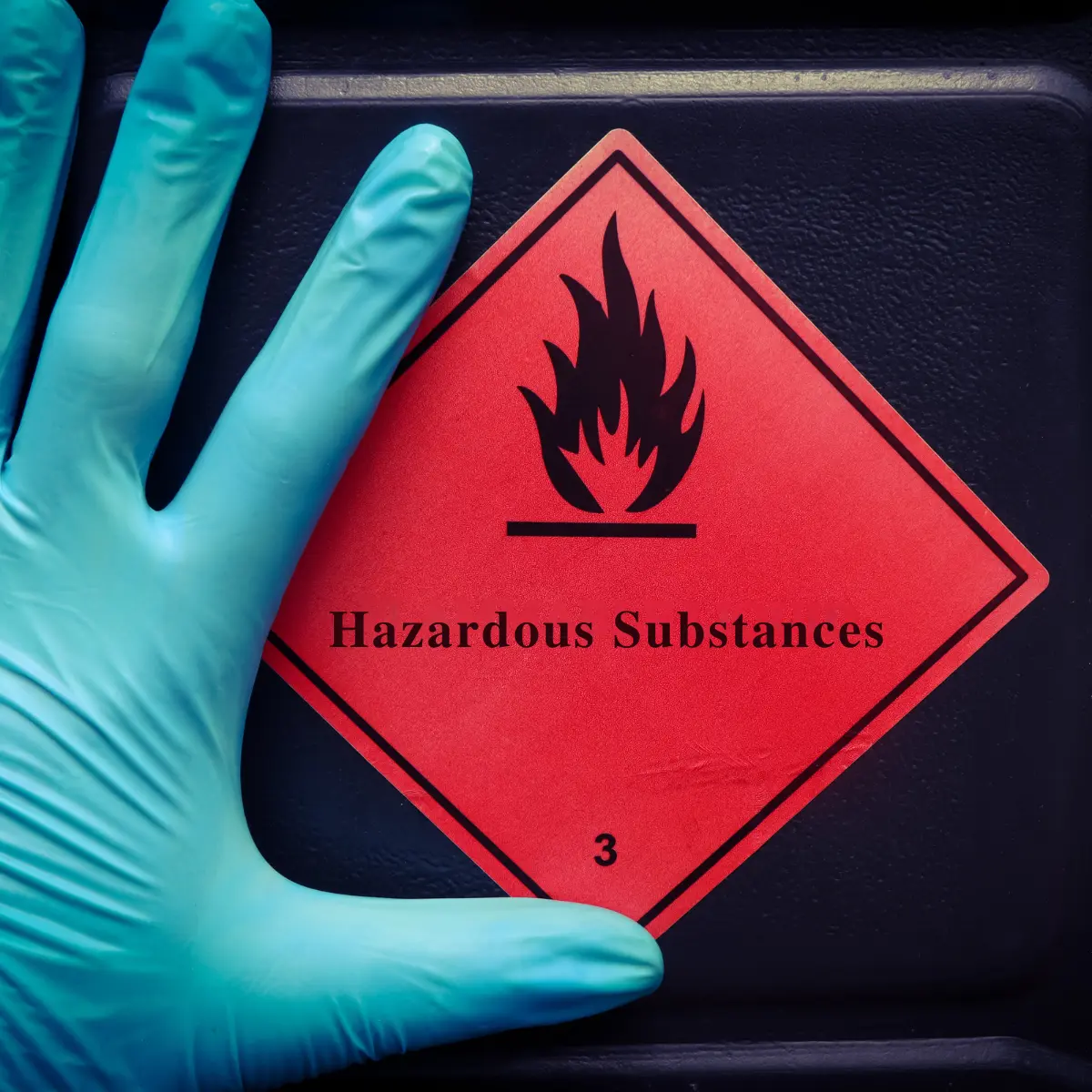
RoHS refers to Restriction of Hazardous Substances and is a regulatory requirement that limits the use of certain chemicals in electrical and electronic equipment. The objective is to reduce environmental impact, protect human health, and encourage responsible product design throughout the electronics supply chain.
Companies developing or selling electronic products in regulated markets must understand RoHS obligations early in the design process. This article explains the scope of RoHS, substance limits, documentation needs, and how testing partners such as EnviroPass can support your compliance strategy.
What Products Fall Under RoHS
RoHS applies to most electrical and electronic equipment placed on regulated markets. This includes consumer electronics, household appliances, industrial machinery, lighting products, medical devices with electrical functions, communication equipment, and automotive electronic systems.
Certain product categories may be excluded or covered by exemptions depending on intended use and regulatory frameworks. Organizations should review scope carefully before commercialization to avoid market access problems.
Restricted Substances Under RoHS
RoHS limits the concentration of hazardous materials in homogenous components of products. Currently restricted substances typically include:
-
Lead
-
Mercury
-
Cadmium
-
Hexavalent chromium
-
Polybrominated biphenyls
-
Polybrominated diphenyl ethers
-
Certain phthalates used in plastics
Regulators periodically review substance lists as science evolves, so manufacturers must monitor updates to remain compliant.
Is RoHS Mandatory
When selling products into markets that enforce RoHS style legislation, compliance is mandatory. Manufacturers, importers, and distributors share responsibility for ensuring that products meet substance limits and that supporting documentation is available for authorities.
Failure to comply can result in shipment holds, recalls, financial penalties, or withdrawal from the market. Proactive evaluation is therefore essential for commercial success.
How RoHS Compliance Is Demonstrated
RoHS compliance relies on a combination of engineering controls, supplier declarations, laboratory testing, and technical documentation. Material analysis and component level evaluation help identify potential risks early.
Testing may involve screening techniques or detailed chemical analysis to verify substance concentrations. Results are compiled into technical files that support regulatory declarations and customer audits.
Documentation and Declarations
Organizations must retain records showing due diligence. These often include supplier material declarations, test reports, risk assessments, and formal declarations confirming compliance.
Traceability across product versions and supply chains is critical so that non compliant units can be identified quickly if issues arise.
RoHS Exemptions and Special Cases
Some applications may benefit from regulatory exemptions where technically viable alternatives do not yet exist. These exemptions are reviewed regularly and may expire, requiring redesign or retesting.
Manufacturers should verify whether any exemption applies to their specific product category and document the justification carefully.
RoHS and Global Market Access
Although RoHS originated in Europe, similar hazardous substance restrictions exist in many other regions. Requirements vary between jurisdictions, so companies selling internationally must plan compliance on a market by market basis.
A coordinated strategy combining EMC evaluation, safety certification, and material compliance helps streamline approvals and reduce launch delays.
Trusted RoHS Testing Partner EnviroPass
For material testing and RoHS verification services, Stancer works with trusted partners such as EnviroPass. Their laboratories provide analytical testing and documentation support to help manufacturers demonstrate regulatory conformity.
Partnering with experienced testing organizations ensures that results are technically defensible and suitable for audits and authority reviews.
Final Thoughts on RoHS
RoHS compliance is an essential part of responsible electronics manufacturing. By understanding substance limits, controlling supply chains, performing testing, and maintaining strong records, companies can protect market access and customer confidence.
Planning RoHS early alongside EMC and RF compliance programs reduces risk and keeps certification timelines predictable.
Related Articles