Is an FCC Certificate Enough for Canada?
Wireless devices, IoT modules, and other electronics that emit radio frequency (RF) energy must comply with regulatory requirements in the markets where they are sold. In the United States, the Federal Communications Commission (FCC) regulates radio spectrum and electromagnetic emissions under rules such as Part 15 and Part 18. In Canada, the authority is Innovation, Science and Economic Development Canada (ISED).
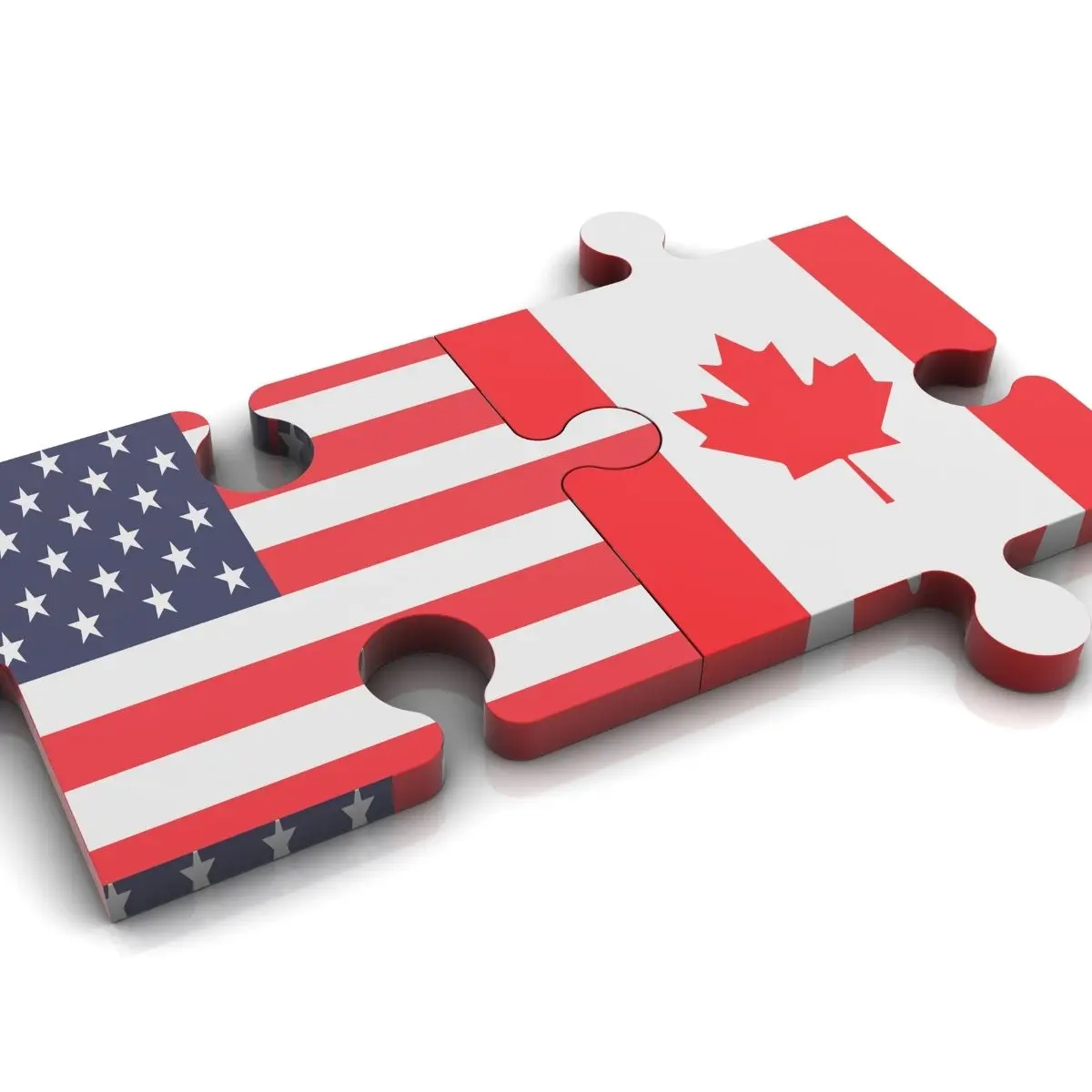
The rules are similar but not identical. A common question asked by manufacturers is whether a product with FCC certification can be sold in Canada without obtaining ISED approval. This article explains FCC and ISED certifications, highlights their differences, and clarifies why FCC authorization alone is not sufficient for the Canadian market.
Understanding FCC Certification
Purpose and Regulatory BodyThe FCC manages radio-emitting devices in the United States. Its regulations aim to prevent harmful interference and promote efficient use of the spectrum. Different FCC rule parts apply depending on the technology, including Part 15 for unlicensed devices such as Wi-Fi, Bluetooth, and Zigbee.
Certification ProcessIdentify applicable FCC rules (for example, Part 15C for unlicensed transmitters).
Test the device at an FCC-recognized laboratory.
Submit results to a Telecommunication Certification Body (TCB).
Label and market the product with its FCC ID.
Understanding ISED Certification
Canadian Regulatory FrameworkCanada regulates RF devices through ISED. Devices must comply with Radio Standards Specifications (RSS) for transmitters and Interference-Causing Equipment Standards (ICES) for unintentional radiators.
Why ISED Certification ExistsEven if a product contains a pre-certified radio module, the final host product must still comply with Canadian EMC and RF regulations. ISED also imposes bilingual English–French labeling requirements.
Certification ProcessIdentify applicable RSS and ICES standards.
Test at an ISED-recognized laboratory.
Appoint a Canadian representative if the applicant is located outside Canada.
Submit documentation to an approved CAB or FCB.
Label the product with the Company Number and Unique Product Number.
Mutual Recognition Agreements (MRAs)
Test Data Reuse Between the U.S. and CanadaCanada and the United States participate in Mutual Recognition Agreements that allow recognized laboratories and certification bodies to accept each other’s test reports.
However, MRAs do not remove the requirement for Canadian certification. FCC test data may sometimes be reused only if it is recent, references Canadian standards, and was generated at an ISED-recognized facility.
Is FCC Certification Enough for Canada?
Official Regulatory PositionFCC certification alone does not authorize the sale of RF products in Canada. Canadian regulations require compliance with ISED technical, administrative, and labeling rules regardless of U.S. approval.
Products sold in Canada must hold ISED certification.
FCC approval cannot replace Canadian authorization.
The complete end product must be compliant.
A Canadian representative is required.
Bilingual labeling is mandatory.
Practical Strategy for Manufacturers
Coordinating FCC and ISED ApprovalsManufacturers targeting both markets should plan FCC and ISED compliance together, test to both standards during the same campaign, and prepare documentation simultaneously.
Use laboratories accredited by both regulators.
Engage certification bodies early.
Maintain complete technical files.
Monitor RSS and ICES updates.
Conclusion
FCC and ISED certification systems are parallel but distinct. Mutual Recognition Agreements allow laboratory data sharing, but Canadian certification remains mandatory.
Manufacturers must secure ISED authorization, ensure bilingual labeling, appoint local representation, and submit proper filings before selling RF devices in Canada.
How Stancer Testing-Lab Can Help
Stancer Testing-Lab supports manufacturers with FCC and ISED RF compliance testing, EMC evaluation, and regulatory strategy across North America.
Our accredited engineers help reduce redesign cycles, reuse test data efficiently, and prepare certification submissions for both markets.
Contact Stancer Testing-Lab today to discuss FCC and ISED approval for your wireless product.
Related Articles