FCC Compliance and Equipment Authorization for LED Lighting Products
Modern LED lighting is transforming residential, commercial, and industrial environments. However, high-frequency electronic drivers inside LED systems generate radio frequency (RF) emissions, placing these products under FCC equipment authorization requirements.
This guide explains FCC rules, EMC testing requirements, and manufacturer obligations for RF LED lighting products based on FCC KDB Publication 640677 D01 RF LED Lighting v02 (April 2022).
1. What Are RF LED Lighting Devices?
High-Frequency LED Drivers and RF EmissionsRF LED lighting devices rely on switch-mode power supplies (SMPS) and electronic drivers that regulate current through rapid switching, typically between 20 kHz and several megahertz. These fast transitions generate unintended electromagnetic noise that may propagate through conducted and radiated emissions.
Why EMC Matters for LED ProductsAlthough illumination is their primary function, LED devices can interfere with radios, Wi-Fi routers, medical instruments, and broadcast receivers. Under FCC Part 15 Subpart B, these products are classified as unintentional radiators.
Common examples include:
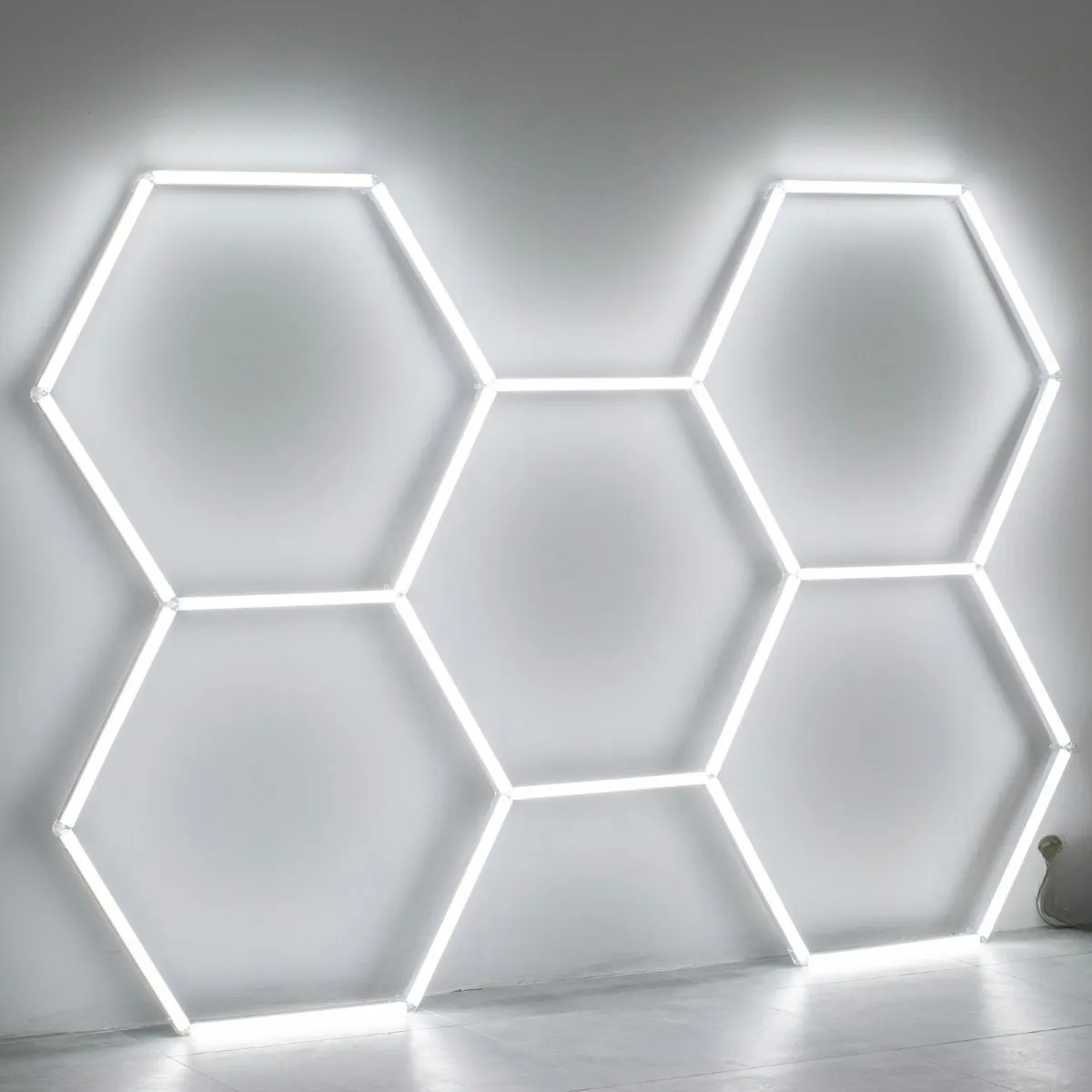
LED luminaires and ceiling fixtures
Dimmable LED bulbs and retrofit lamps
LED strip and rope lights
LED signage, entertainment lighting, and displays
LED streetlamps and pole-mounted luminaires
2. Why LED Lighting Products Fall Under FCC Rules
Unintentional Radiators Under Part 15Under 47 CFR Part 15, any device generating RF energy above 9 kHz must meet emission limits to prevent harmful interference. LED products therefore fall under Part 15 Subpart B.
3. Applicable FCC Rules and Test Procedures
Key FCC SectionsSection 15.107 – Conducted emissions limits
Section 15.109 – Radiated emissions limits (30 MHz–1000 MHz)
Section 2.906 – Supplier’s Declaration of Conformity (SDoC)
Section 2.909 – Responsible party obligations
4. The Four-Corner Test Method for LED Drivers
Worst-Case EMC EvaluationFCC KDB 640677 introduces a mandatory four-corner testing approach to ensure LED drivers remain compliant across their full operating range.
Maximum voltage / minimum current – light-load burst-mode operation
Maximum current / minimum voltage – heavy-load magnetic emissions
Maximum voltage and current – full-power stress case
Minimum voltage and current – dimming or standby conditions
5. Testing for Integrated and Dimmable Fixtures
Real-World Operating ConditionsTesting must include full brightness, minimum output, intermediate dimming levels, and representative fixtures to capture worst-case emissions.
6. Radiated Emission Frequency Range
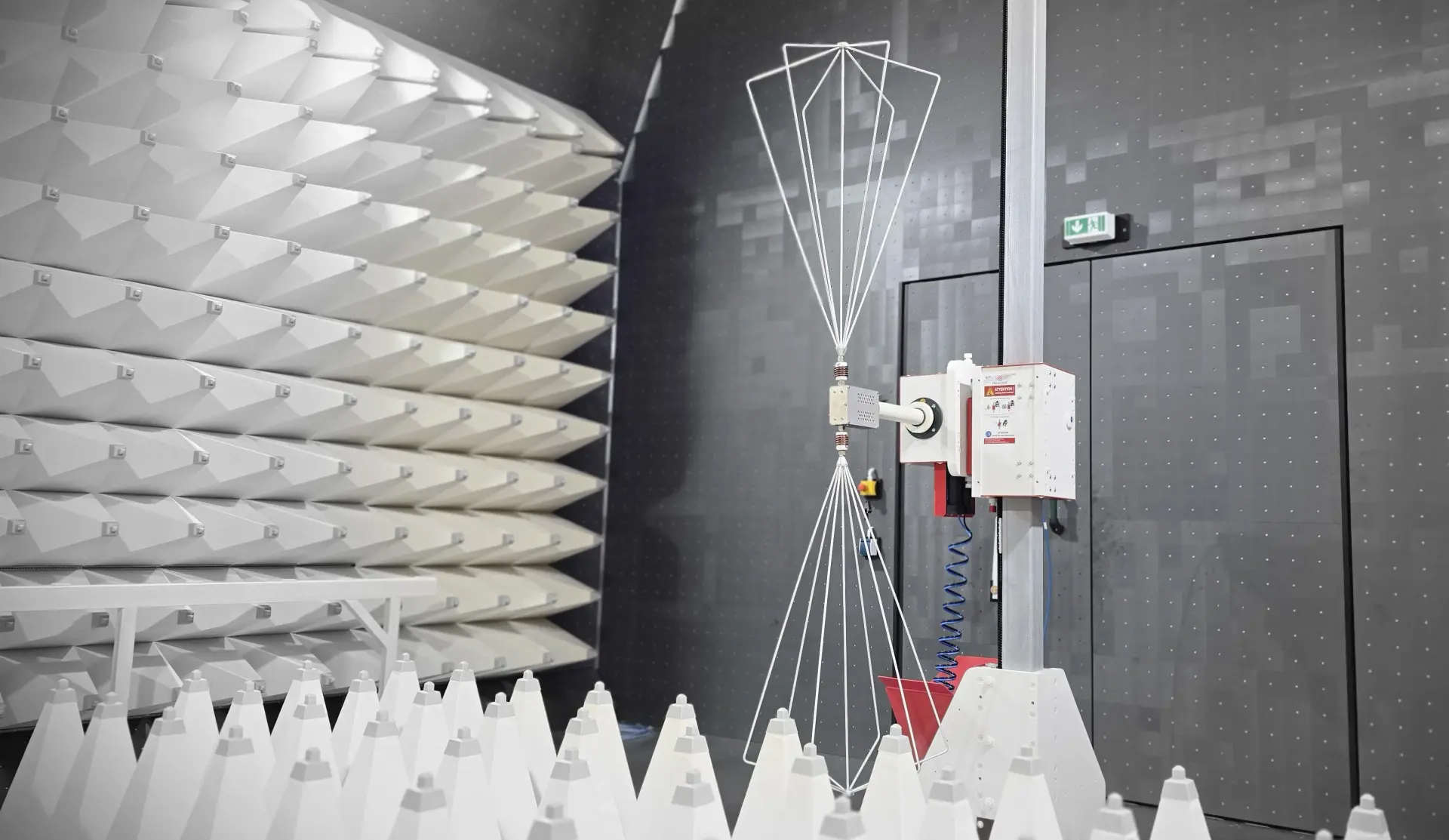
Measurements up to 1000 MHzRadiated emissions must be measured from 30 MHz to 1000 MHz regardless of switching frequency. Higher-frequency scans may be required when harmonics extend beyond the 10th harmonic.
7. Conducted Emission Measurements
AC Mains Noise ControlSection 15.107 limits RF noise on AC power lines. EMI filters, ferrites, and shielded wiring are commonly required for compliance.
8. General Conditions of Operation
FCC Interference ObligationsUnder Part 15.5, LED products must not cause harmful interference and must accept any interference received.
9. Documentation and Authorization
Supplier’s Declaration of ConformityMost LED products follow the SDoC process, requiring test reports, schematics, EMC analysis, and compliance documentation maintained by the responsible party.
10. Practical Design and Testing Recommendations
Designing for EMC from Day OneSelect low-EMI LED drivers
Install AC input filters
Use shielded enclosures and twisted wiring
Optimize PCB layout
Perform early pre-compliance testing
Conclusion
FCC compliance for LED lighting products is essential for market access and long-term reliability. FCC KDB 640677 highlights the importance of four-corner testing, radiated emission scans to 1000 MHz, and complete SDoC documentation.
How Stancer Testing-Lab Can Help
Stancer Testing-Lab supports manufacturers with FCC Part 15 EMC testing, LED driver evaluation, and regulatory guidance in Canada and North America.
Our accredited team helps you minimize redesign cycles, validate compliance, and prepare technical documentation for market approval.
Contact Stancer Testing-Lab today to discuss FCC LED compliance testing for your next lighting product.
Related Articles